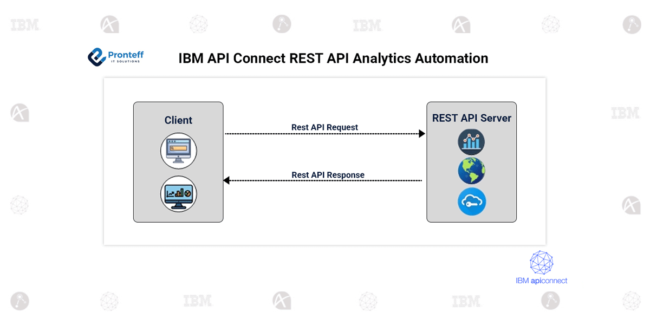
IBM API Connect REST API Analytics Automation.

IBM API Connect REST API Analytics Automation

IBM API Connect REST API Analytics Automation In this blog, we will learn about the IBM API Connect REST API Analytics Automation. Introduction In this blog, we’ll dive into how to automate analytics in IBM API Connect using its powerful REST APIs. REST APIs provide programmatic access to various components of API Connect, enabling developers…

What’s New in IBM API Connect Version 10.0.8

What’s New in IBM API Connect Version 10.0.8 

What’s New in IBM API Connect Version 10.0.8  In this blog, we will learn what’s New in IBM API Connect version 10.0.8. A Look into IBM API Connect 10.0.8.0 – What’s New and What to Expect In today’s digital age, APIs (Application Programming Interfaces) have become the backbone of modern applications. They enable seamless communication…

Offload Analytics to a third-party system

Offload Analytics to a third-party system

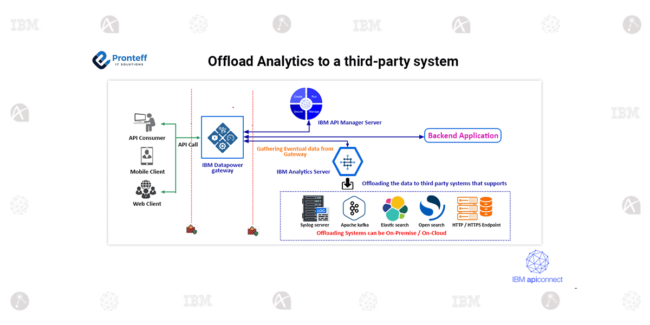
Offload Analytics to a third-party system In this blog, we will learn how to offload IBM API Connect Analytics to a third-party system. What is IBM API Connect Analytics? IBM API Connect Analytics is a process of collecting, analyzing, and visualizing API eventual data. It helps the API Team in monitoring and enhancing their portfolio…

Handling Arrays in the Map Policy

Handling the Arrays in the MAP Policy

Handling the Arrays in the MAP Policy In this blog, we will learn how to handle Arrays in the MAP policy. Introduction to the Map Policy in IBM API Connect IBM API Connect (APIC) is a comprehensive API management solution that empowers developers to create, secure, manage, and socialize APIs across different environments. One of…

OAuth Token Revocation

OAuth Token Revocation in APIC

OAuth Token Revocation in APIC In this blog, we will learn about about OAuth Token Revocation in APIC. The Refresh Token grant type enables an application to obtain a new Access Token automatically, even after being inactive for some time. This approach is commonly used in mobile apps to avoid repeating the full OAuth authorization…