
Top API Security Challenges Faced by Banks and Financial Institutions
In this blog, we will learn about the top API Security challenges faced by banks and financial institutions.
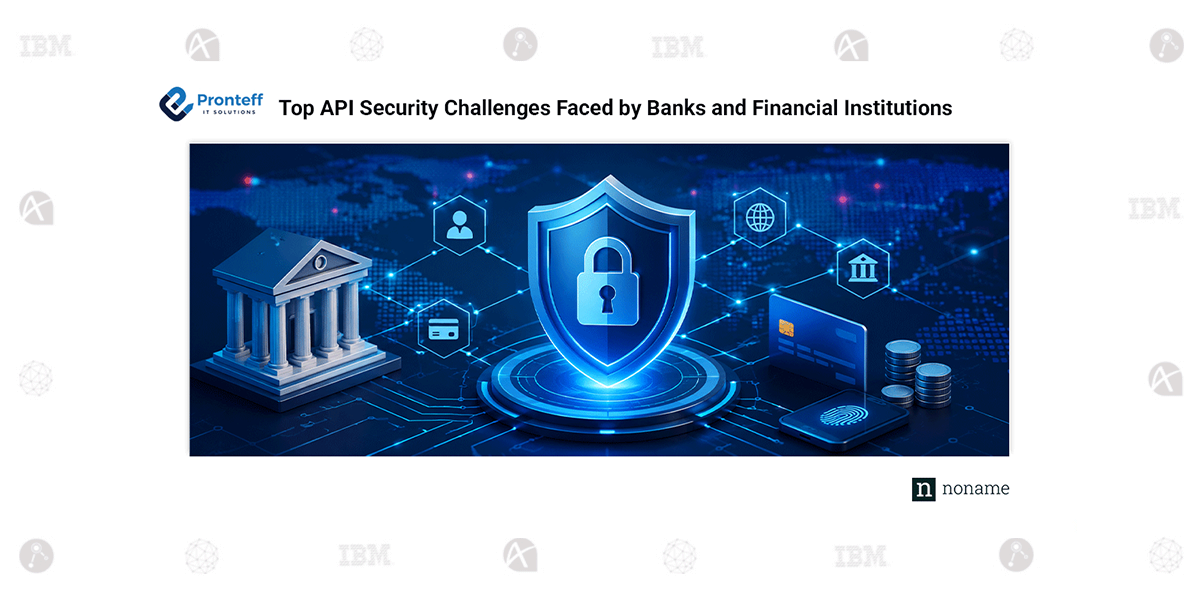
Banks and insurance companies are rapidly transforming their operations by adopting digital solutions that support secure, fast, and customer-friendly services. APIs (Application Programming Interfaces) play a major role in enabling mobile banking, digital payments, open banking, and third-party integrations. As the BFSI sector continues to expand its digital ecosystem, APIs have become essential for delivering seamless customer experiences and real-time financial services. However, the increasing use of APIs has also introduced significant cybersecurity challenges for banks and financial institutions.
Growing API Vulnerabilities in BFSI
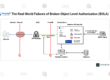
One of the most common API security challenges in the BFSI sector is broken authentication and authorization. Weak authentication controls can allow cybercriminals to gain unauthorized access to sensitive customer information, banking applications, and payment systems. Since APIs frequently handle critical financial transactions and confidential data, strong identity and access management is essential.
Another major concern is sensitive data exposure. APIs often transfer account information, payment details, customer records, and transaction histories between systems and applications. Without proper encryption, secure API configurations, and tokenization, this sensitive information can become vulnerable to cyberattacks and data breaches.
Banks and financial institutions also face increasing incidents of API abuse and fraud attempts. Attackers commonly use bots and automated scripts to exploit APIs for credential stuffing, fake transactions, and account takeovers. These attacks can lead to financial losses and damage customer trust.
Strengthening API Security Strategies
The growth of third-party integrations and open banking initiatives has significantly increased the API attack surface. While APIs help financial institutions collaborate with fintech partners and external applications, unsecured third-party APIs can introduce serious security vulnerabilities.
Another challenge is the presence of shadow APIs — undocumented or unmanaged APIs operating outside standard security governance. These APIs are difficult to monitor and can become easy entry points for attackers.
To reduce these risks, BFSI organizations must implement a strong API security strategy that includes continuous monitoring, threat detection, Zero Trust security models, and regular vulnerability assessments. As digital banking continues to evolve, securing APIs has become a business-critical requirement for protecting customer trust, ensuring regulatory compliance, and maintaining operational resilience.